
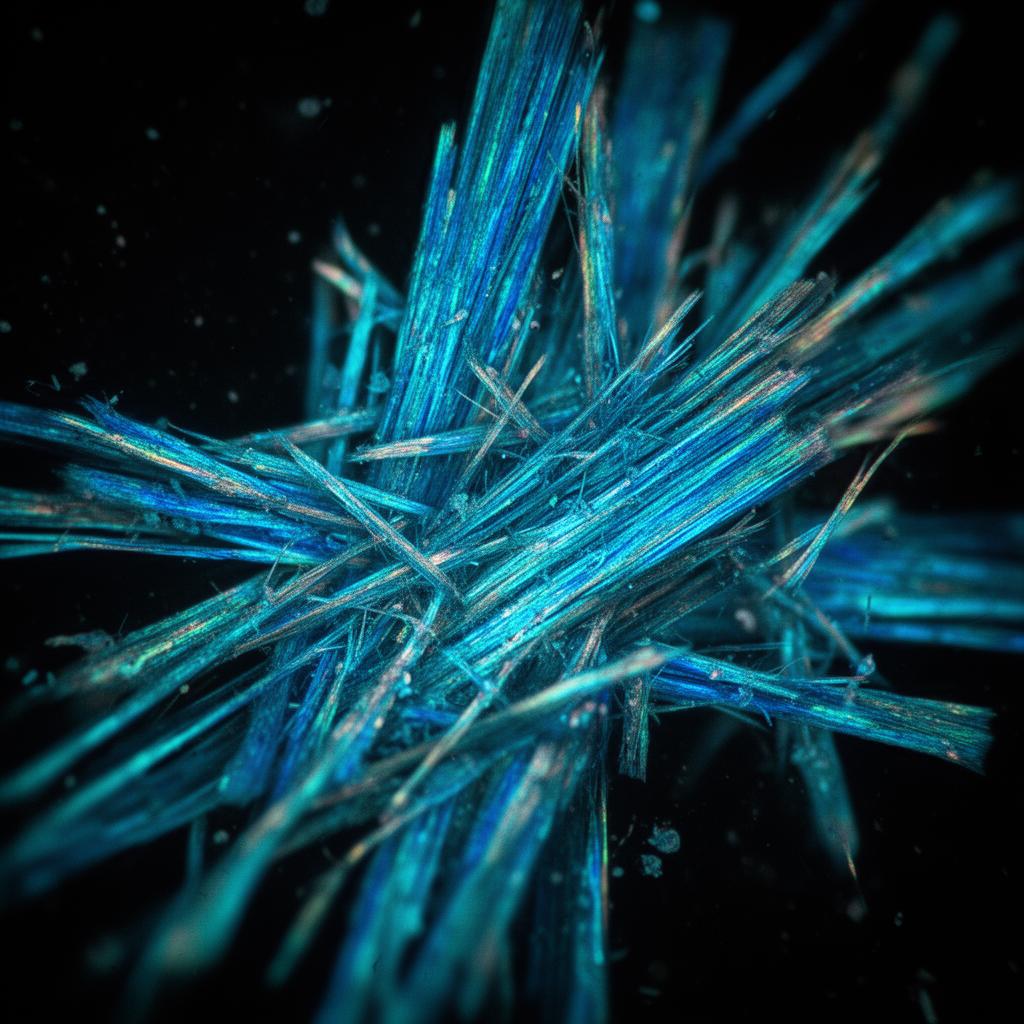
Independent guidance · Core topics
What Does Asbestos Look Like? UK Visual Identification Guide
A photo-led walkthrough of the materials people most often mistake for — or miss as — asbestos in UK homes and commercial buildings, with clear next steps.
Key takeaways
- Grey/off-white rigid board with a chalky, fibrous edge — likely AIB
- Stippled or swirled textured coating on pre-2000 walls — likely textured coating
- Cement-like sheet panels in older garages or outbuildings — likely cement
"What does asbestos look like?" is the single most common question we are asked by UK homeowners, landlords and tradespeople. The honest answer is that raw asbestos fibres are microscopic — what you can see is the building product the fibres were bound into, and many of those products look identical to non-asbestos equivalents. This guide pairs the most-asked visual questions with the materials they usually describe, so you can triage what you are looking at before booking a sample.
What does asbestos look like in walls?
In UK walls, asbestos most often appears as asbestos insulating board (AIB) used for partitions, riser cupboards, lift shafts and behind radiators. AIB is a grey to off-white rigid board, typically 6–12 mm thick, with a slightly fibrous broken edge and a chalky feel. It is easily confused with modern plasterboard and non-asbestos calcium silicate board. Textured coatings (Artex) on wall surfaces applied before 2000 are also commonly asbestos containing.
- •Grey/off-white rigid board with a chalky, fibrous edge — likely AIB
- •Stippled or swirled textured coating on pre-2000 walls — likely textured coating
- •Cement-like sheet panels in older garages or outbuildings — likely cement
What this means
Visual cues narrow the candidates but never confirm. Anything suspicious in a pre-2000 wall should be sampled.
What does asbestos look like in ceilings?
Ceilings are the highest-yield surface for asbestos finds in UK domestic stock. Pre-2000 textured coatings (often branded Artex) frequently contain chrysotile. Suspended ceiling tiles in 1960s–1980s commercial buildings can be AIB. Older properties may have AIB ceiling soffits in stairwells, under stairs, or as fire-protection linings around steel beams.
- •Stippled, swirled or fan-pattern texture on a pre-2000 ceiling
- •Lightweight grey-white tiles in a metal grid (commercial ceilings)
- •Painted board soffits below stairs or in plant rooms
What this means
Textured ceilings applied before 2000 should be assumed to contain asbestos unless a sample proves otherwise.
What does asbestos board look like?
Asbestos insulating board (AIB) is the highest-risk board commonly found in UK buildings — it is friable and releases fibres easily when disturbed. AIB is typically grey to off-white, 6–12 mm thick, with a slightly woolly or fibrous appearance on a broken edge. It is softer and lighter than asbestos cement. Modern look-alikes include calcium silicate board, Supalux and Masterboard — visually similar but asbestos-free.
- •Soft, chalky surface that scratches easily with a fingernail
- •Fibrous, woolly broken edge — not a clean snap
- •Lighter and warmer-feeling than cement of the same size
What this means
If a board behind a panel heater, in a riser or as a soffit looks soft and fibrous, treat it as AIB until proven otherwise.
What does asbestos cement look like?
Asbestos cement is grey, dense and brittle, and is the most widely distributed asbestos product in the UK — corrugated roof sheets on garages, agricultural buildings and outbuildings, flat sheets used as eaves soffits and bargeboards, downpipes, gutters, flue pipes and cold water tanks. It is harder and heavier than AIB, with a clean fracture and no obvious fibres on the surface. Modern fibre-cement replacements are visually almost identical.
- •Grey, dense, brittle sheets with a clean fracture
- •Corrugated profile on garage or barn roofs
- •Square or rectangular cold water tanks in lofts
What this means
Lower risk than AIB while intact, but power-cutting or breaking cement releases fibres — never DIY.
Found this guide useful?
Need what does asbestos look like? uk visual identification surveyed or removed?
Fixed-price written quotes from qualified asbestos consultants across London, Essex, Kent and the surrounding South East — no obligation.
What does asbestos in floor tiles look like?
Vinyl floor tiles laid in UK properties before 2000 — typically 9" × 9" (230 mm) thermoplastic tiles in kitchens, hallways and commercial floors — frequently contain chrysotile. The black bitumen adhesive used to bond them is itself often asbestos containing. Tiles can be plain, marbled or patterned, and are usually 2–3 mm thick.
- •9" × 9" tiles in pre-1985 kitchens, hallways or schools
- •Black, tar-like adhesive on the underside or subfloor
- •Slight brittleness when lifted — they snap rather than flex
What this means
Intact floor tiles are low risk, but sanding, breaking or removing them releases fibres — sample before disturbing.
Why only a UKAS laboratory can confirm asbestos
Polarised light microscopy (PLM) carried out by a UKAS ISO/IEC 17025 accredited laboratory to MDHS 77 is the only legally recognised method of confirming whether a material contains asbestos. No photograph, app, mobile XRF reading or visual inspection — including by an experienced surveyor — can substitute for a bulk sample analysed in the lab. Sampling itself is regulated under the Control of Asbestos Regulations 2012 and should be undertaken by a competent person.
What this means
Use this guide to triage. Use a UKAS lab — through us or directly — to decide.
Frequently asked questions
Can I tell if something is asbestos just by looking?
No. Visual identification is a triage tool, not a confirmation. Many asbestos products look identical to non-asbestos equivalents. The only legally recognised method of confirming asbestos is polarised light microscopy by a UKAS ISO/IEC 17025 accredited laboratory.
What colour is asbestos?
The three commercial asbestos fibres — chrysotile (white), amosite (brown) and crocidolite (blue) — refer to raw fibre, not the finished product. In a building, asbestos cement is usually grey, AIB is off-white to grey, textured coatings are whatever colour they were painted, and floor tiles can be any colour. Colour alone is not a reliable indicator.
What does asbestos look like in the loft?
In UK lofts, asbestos most often appears as a grey cement cold water storage tank, as cement flue pipes from old boilers, as AIB lining around steel beams or chimney breasts, and occasionally as loose-fill insulation between joists (rare in domestic stock, more common in 1970s commercial buildings). Loose-fill is the highest-risk loft material and should not be disturbed.
How much does it cost to confirm a material is asbestos?
One asbestos sample is £85 + VAT, two are £115, then each additional sample during the same attendance is £30 + VAT, including consultant attendance for collection and UKAS-accredited laboratory analysis. Multiple samples taken on the same visit reduce the per-sample cost.
What should I do if I think I have found asbestos?
Do not drill, cut, sand or break the material. Photograph it, restrict access to the area, and book a sample with a competent consultant. If the material is already broken or damaged, stop work in the area and seek professional advice before re-entering.
Speak to an independent qualified consultant about your project
Independent asbestos surveying specialists. Evidence-based recommendations, P402-qualified surveyors, coverage across the South East and East of England. Every enquiry is reviewed by a qualified consultant — consultancy before sales, no obligation.
Read next