Free tool · Visual identification

Asbestos material identification guide.

Compare the six most common asbestos-containing materials in UK buildings. Filter by location or risk, read the visual cues our surveyors look for, and get the exact next step for each material — no sign-up required.

Visual identification is only an indication. Only UKAS-accredited laboratory analysis of a physical sample can confirm asbestos.

  • Independent expert advice
  • 20+ years asbestos expertise
  • Trusted coverage across England and Wales, from Leeds southwards
  • Same-day emergency attendance
  • Reports within 72 hours, guaranteed
  • Detailed floor plan reports
  • Consultancy before sales
  • Customer-first approach
Filter materials
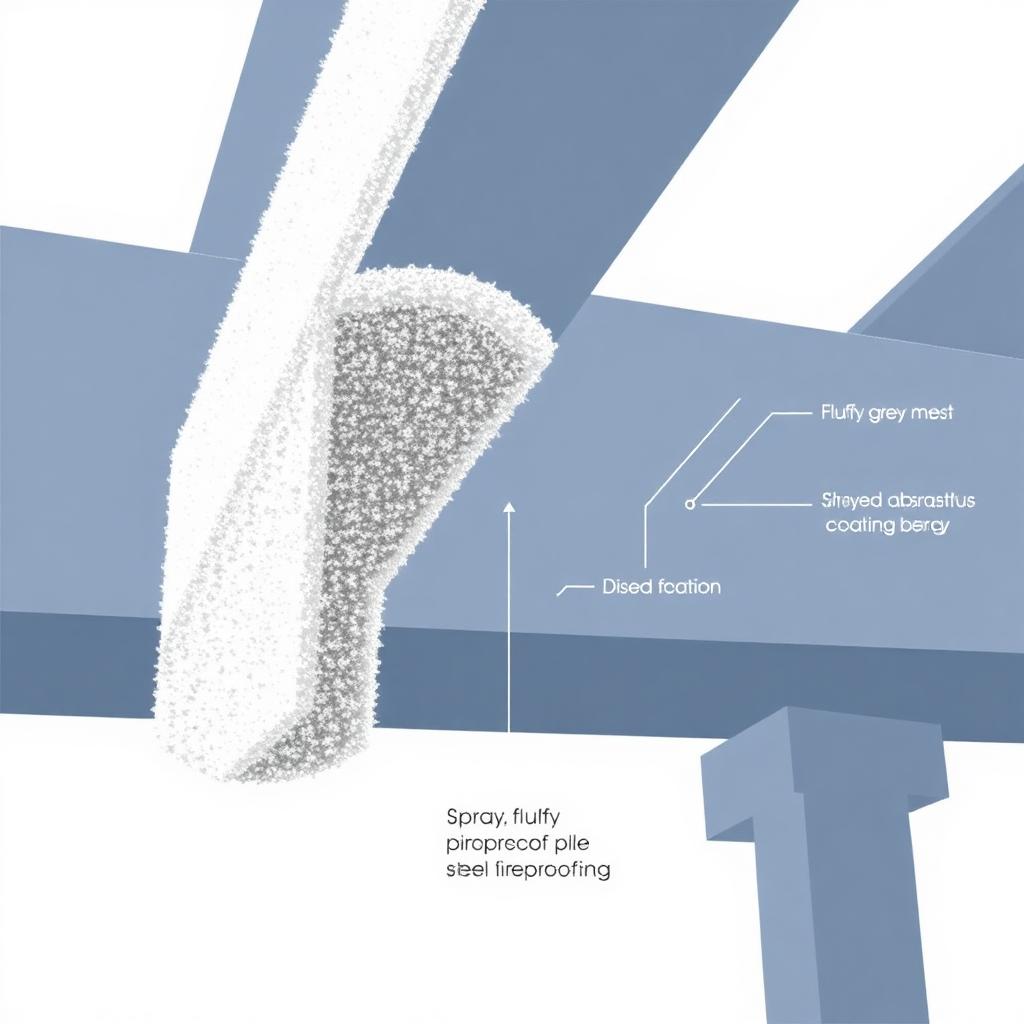
Illustration of Sprayed asbestos coatingVery high risk

Sprayed asbestos coating

1940s – mid 1970s

  • Fluffy, off-white or grey surface with a rough, popcorn-like texture
  • Applied directly to structural steel, concrete soffits or as acoustic ceilings
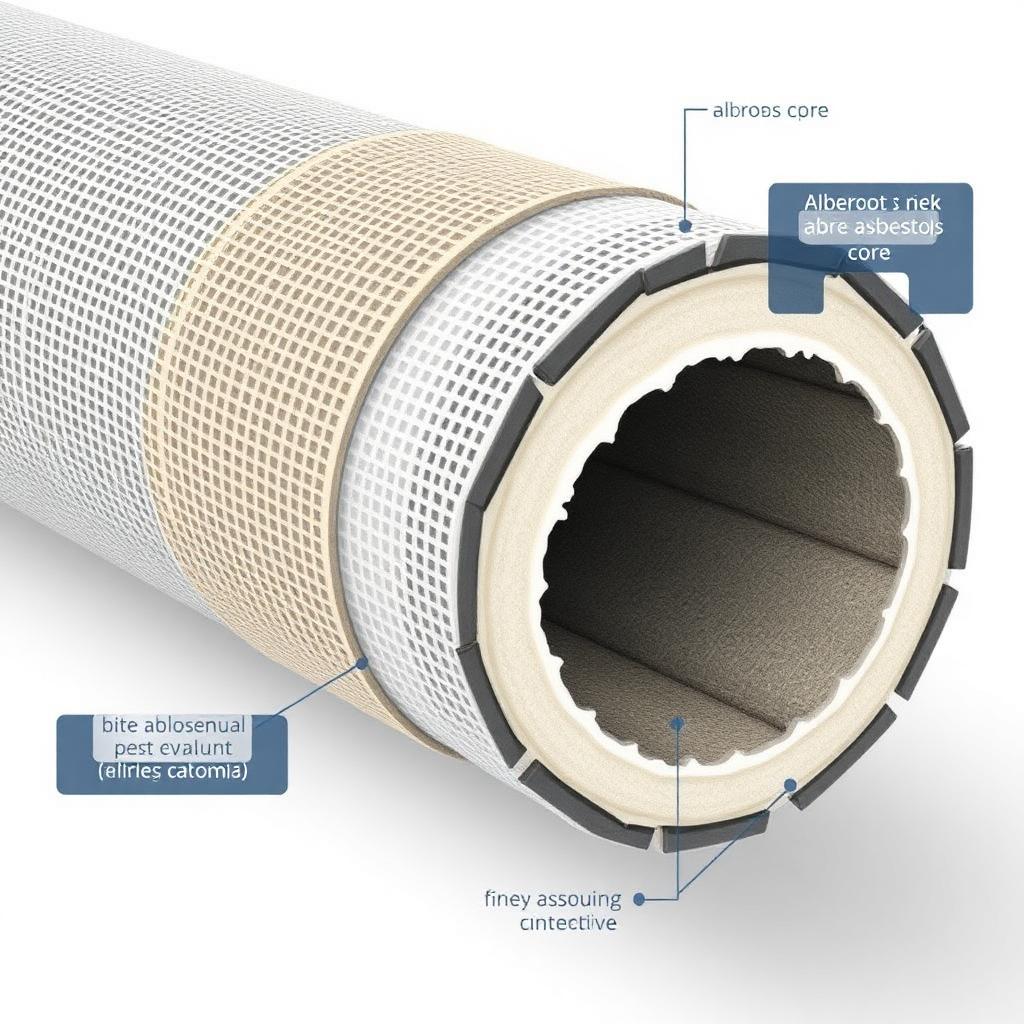
Illustration of Asbestos thermal pipe laggingVery high risk

Asbestos thermal pipe lagging

1930s – 1980s

  • White or grey preformed sections around heating, hot-water or steam pipes
  • Usually wrapped in hessian, canvas or painted with a hard finish
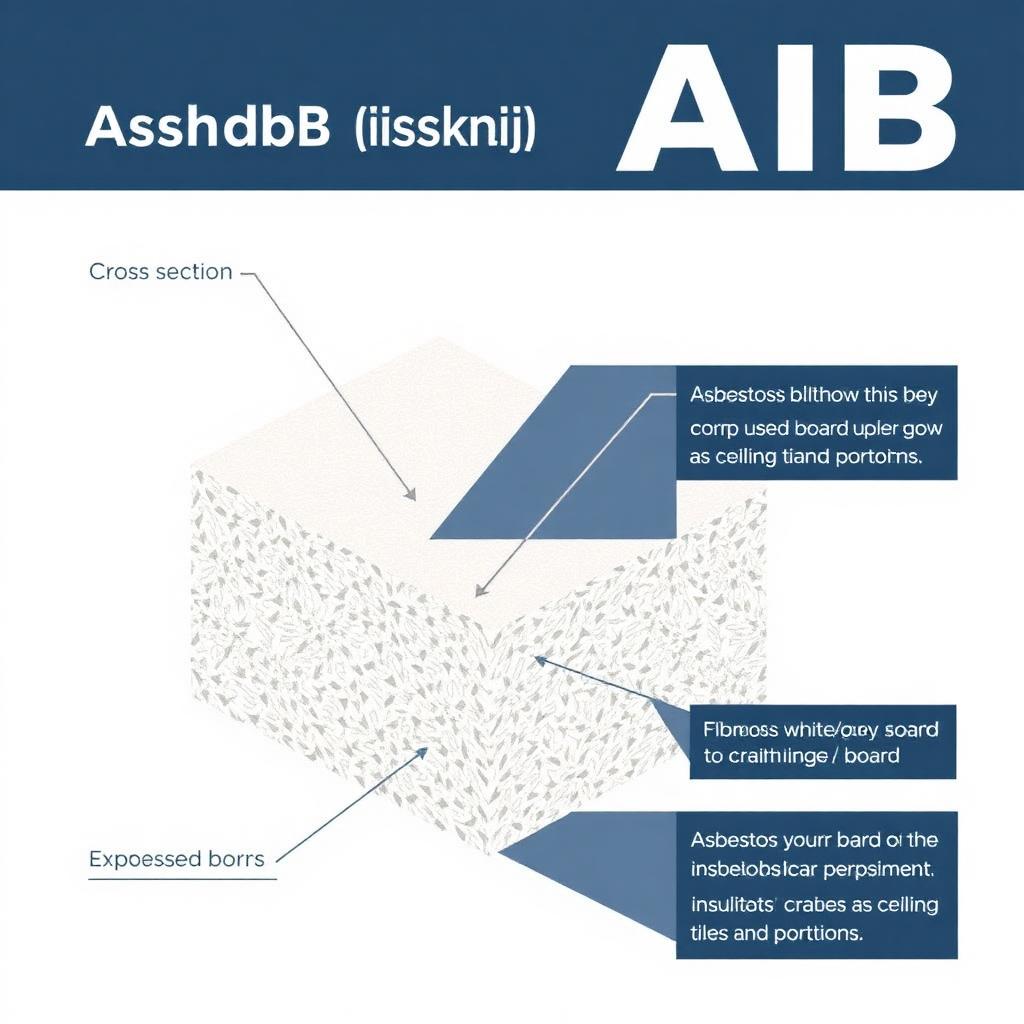
Illustration of Asbestos Insulating Board (AIB)High risk

Asbestos Insulating Board (AIB)

1950s – mid 1980s

  • Off-white or pale grey flat board, usually 6 – 12 mm thick
  • Softer than plasterboard — snaps rather than crumbles, exposing white fibres
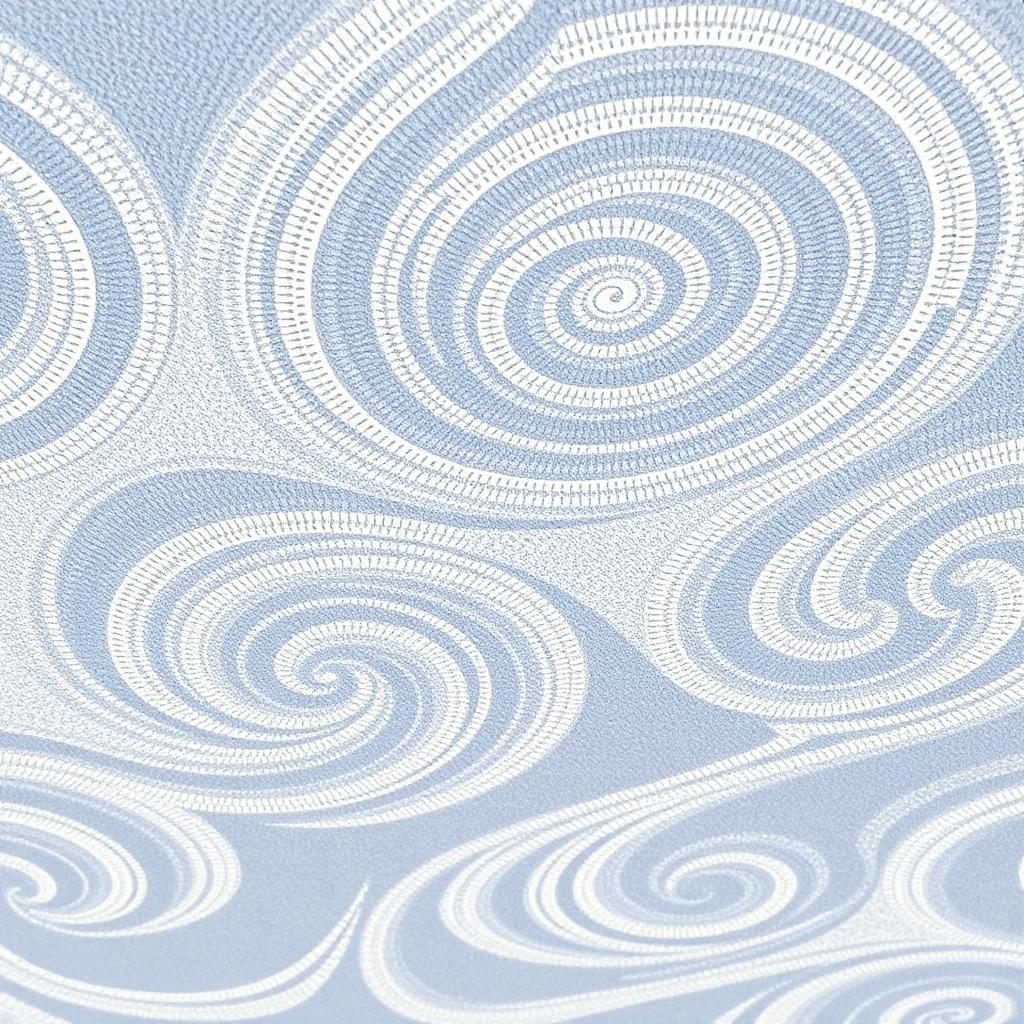
Illustration of Textured decorative coating (Artex)Medium risk

Textured decorative coating (Artex)

1960s – 1999

  • Stipple, swirl, fan, comb or bark patterns on ceilings and walls
  • Hard, painted finish — not soft or fibrous to touch
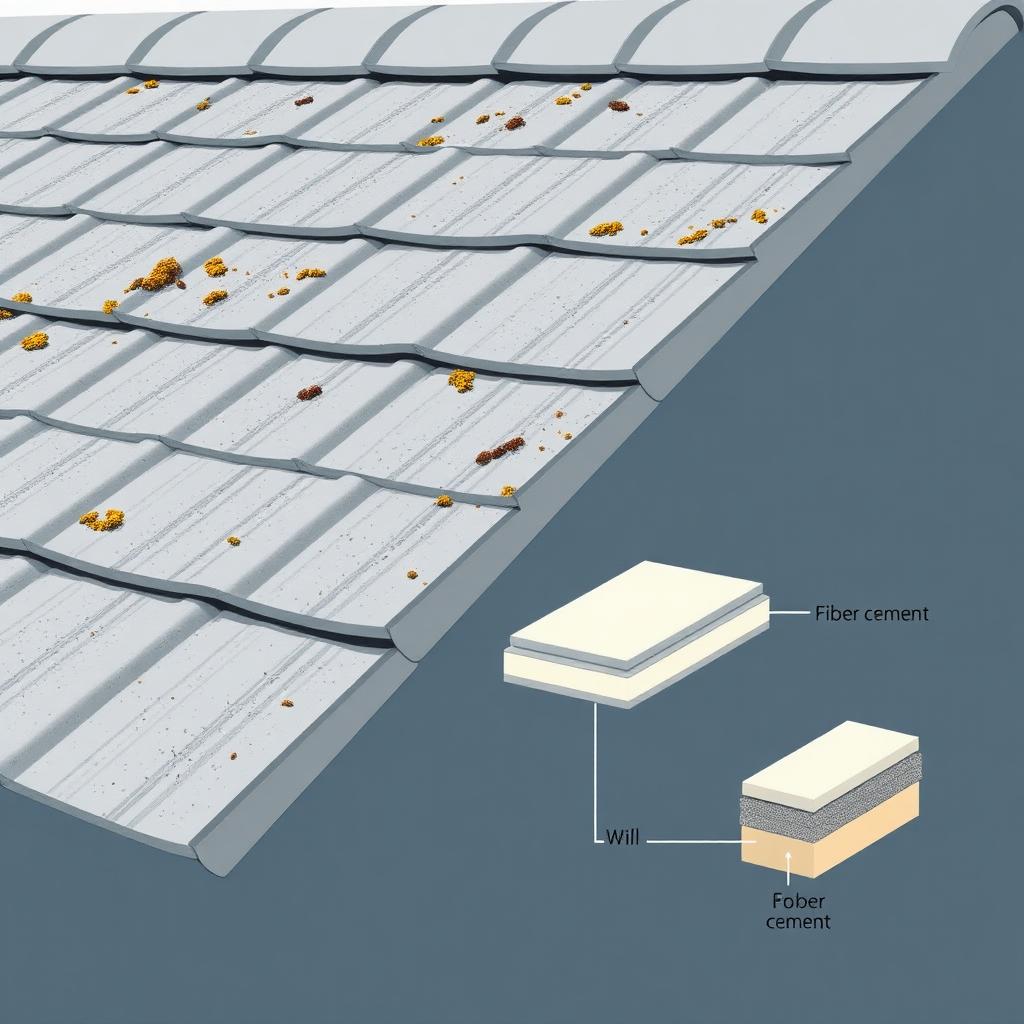
Illustration of Asbestos cement productsLower risk (bonded)

Asbestos cement products

1920s – 1999

  • Grey corrugated sheets, flat panels, gutters, downpipes, flues and water tanks
  • Hard, brittle and often weathered with lichen or moss growth
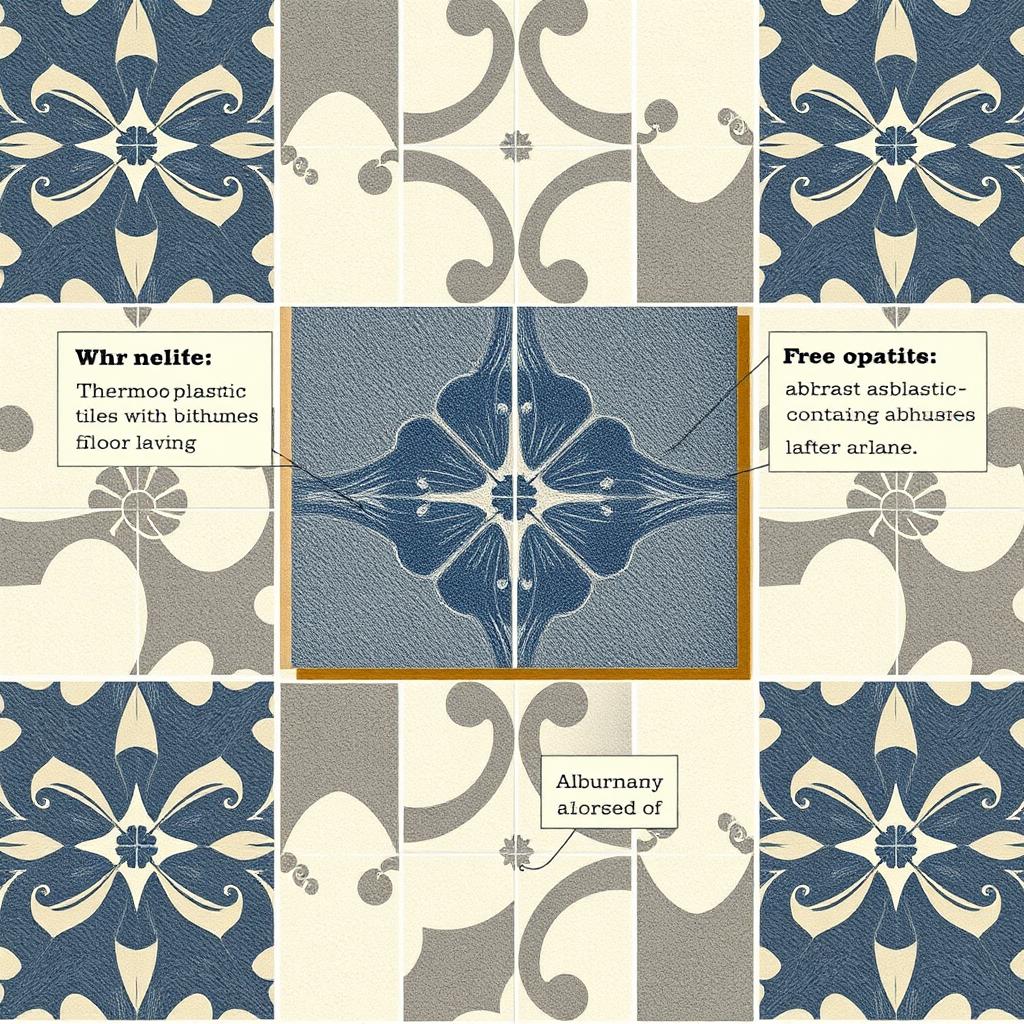
Illustration of Thermoplastic floor tiles & bitumenLower risk (bonded)

Thermoplastic floor tiles & bitumen

1950s – mid 1980s

  • Small (typically 9" / 225 mm) rigid tiles in marbled or mottled patterns
  • Black bitumen adhesive residue underneath — often the ACM even where tile isn't

Think you've found one of these? Send us a photo.

Our senior consultants will review it free of charge and tell you honestly whether sampling or a full survey is warranted.