Overview
Thermal insulation containing up to 85% asbestos — typically amosite, crocidolite or chrysotile in various mixes — was applied to hot pipework, boilers, calorifiers and steam plant between the 1900s and the late 1960s. It is the highest-risk asbestos product commonly encountered in UK buildings: very friable, often in poor condition, and located in service spaces.
Typical uses
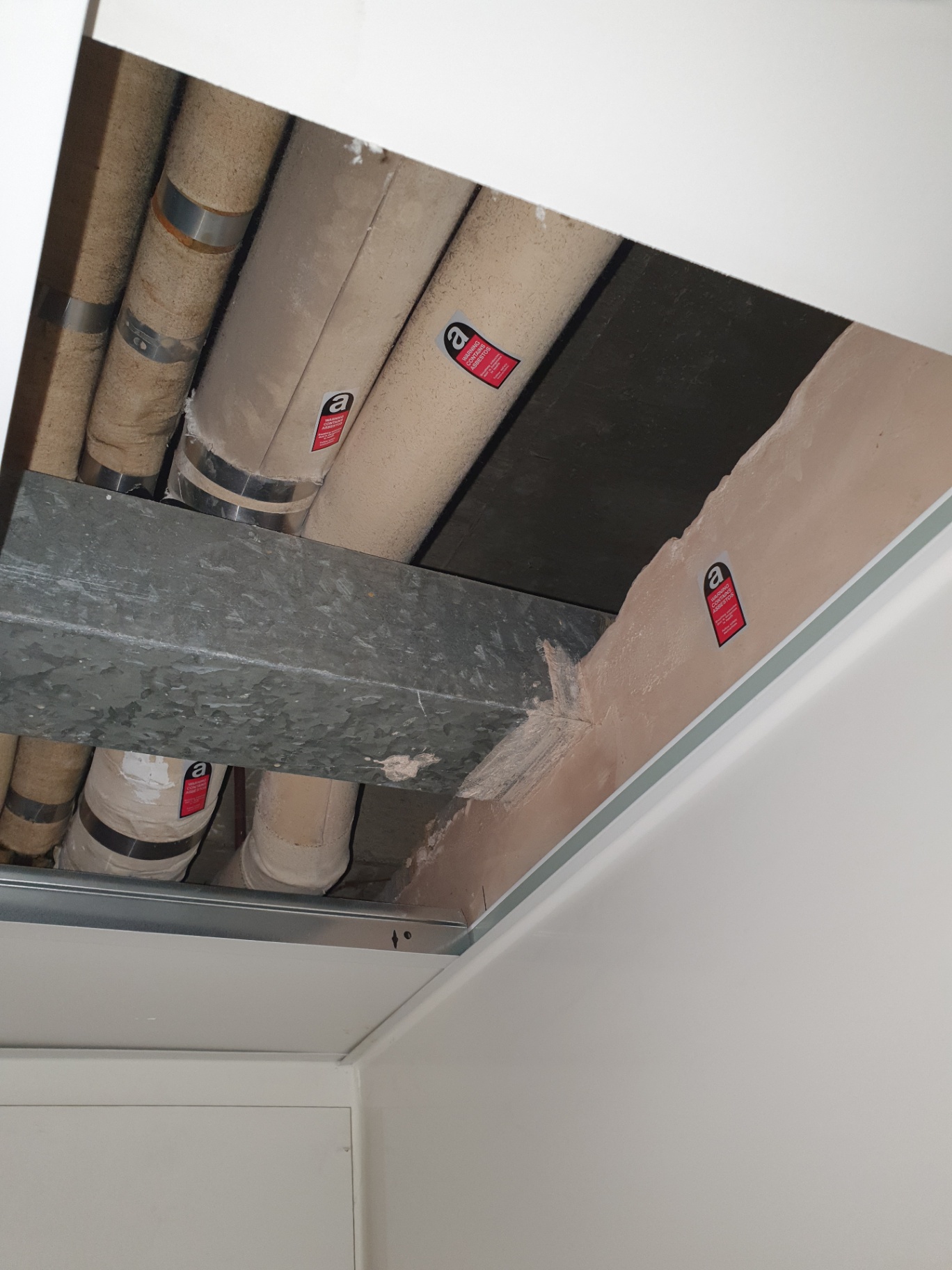
- •Heating pipe insulation
- •Boiler insulation
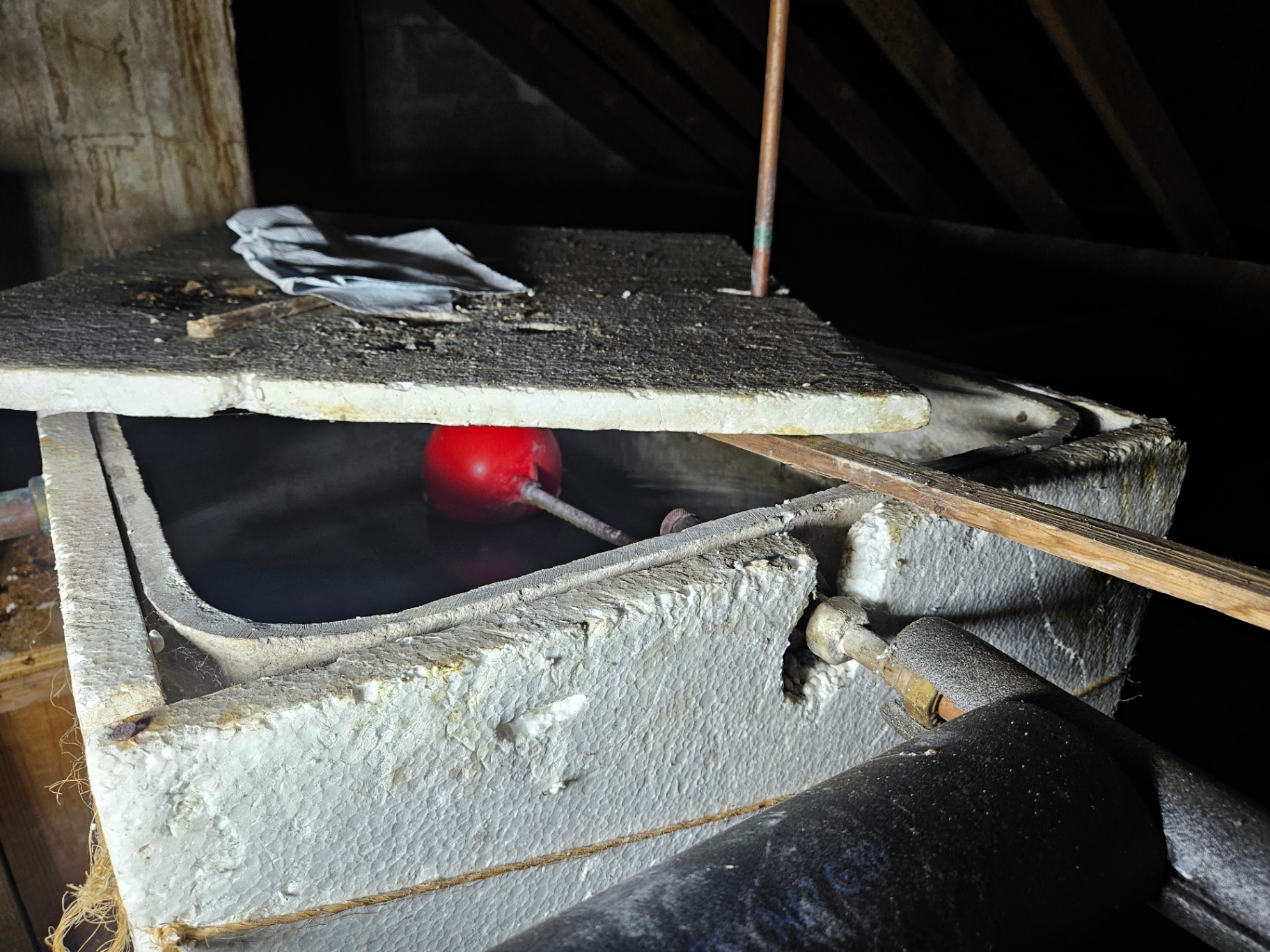
- •Calorifier and tank cladding
- •Steam plant lagging
- •Industrial process pipework
Typical fibre type
Mixed is the most commonly identified fibre in this material.
Visual inspection alone cannot confirm the presence or type of asbestos. Laboratory analysis is required.
🔴 High Risk
Lagging is highly friable. Even minor disturbance — vibration, knocks, water damage — releases substantial fibres. Often in damaged or partially stripped condition in older plant rooms.
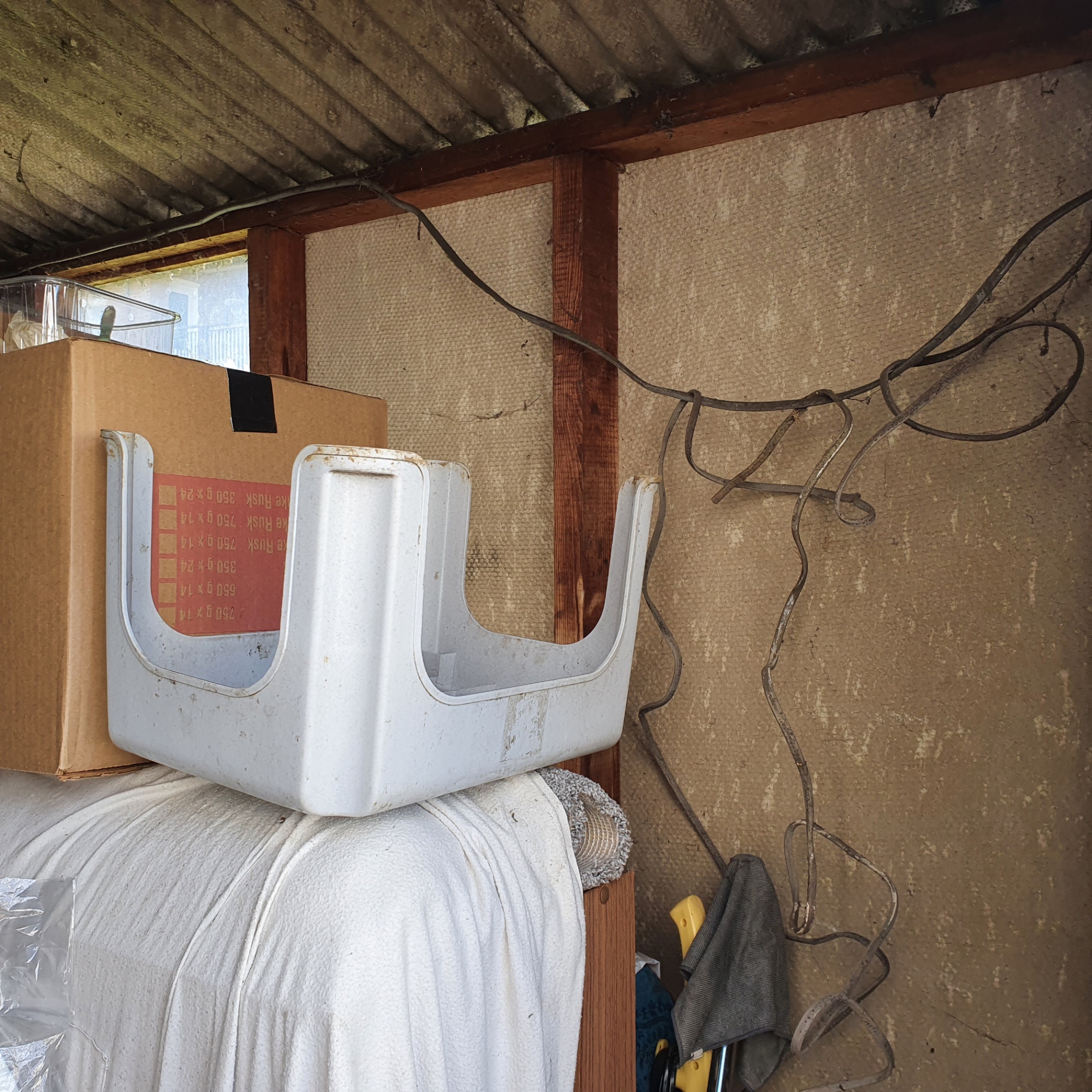
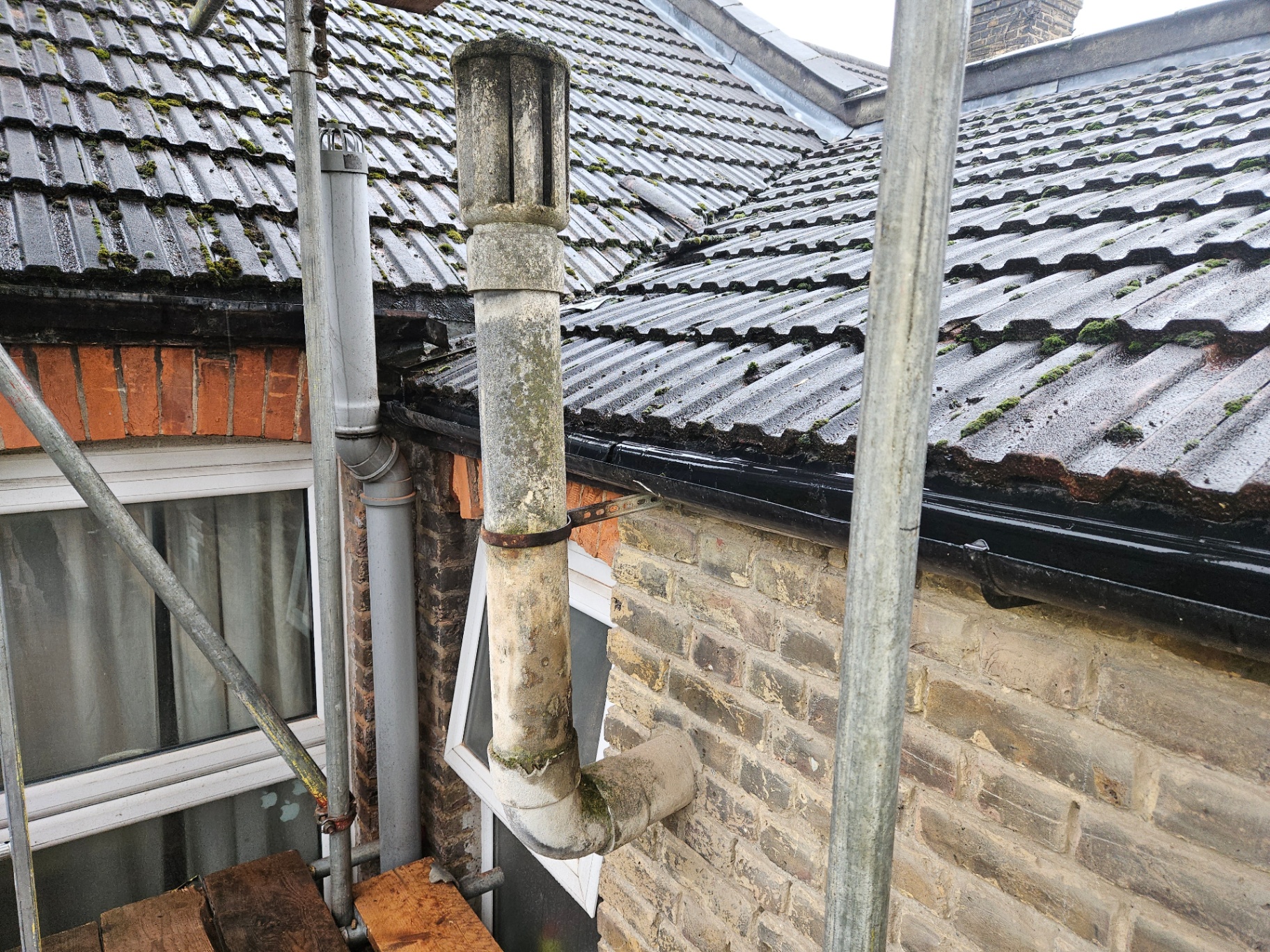
Typical locations
Survey recommendation
Refurbishment Survey
Lagging must be sampled by a qualified surveyor and is licensed removal work. A Refurbishment Survey is mandatory before any work in the area.
See our survey servicesManagement advice
- Restrict access to plant rooms with suspected lagging
- Do not touch, brush or wrap damaged lagging — leave it to specialists
- Removal is licensed work and requires HSE notification
- Encapsulation is rarely appropriate for damaged lagging — removal is usually the only safe option