Overview
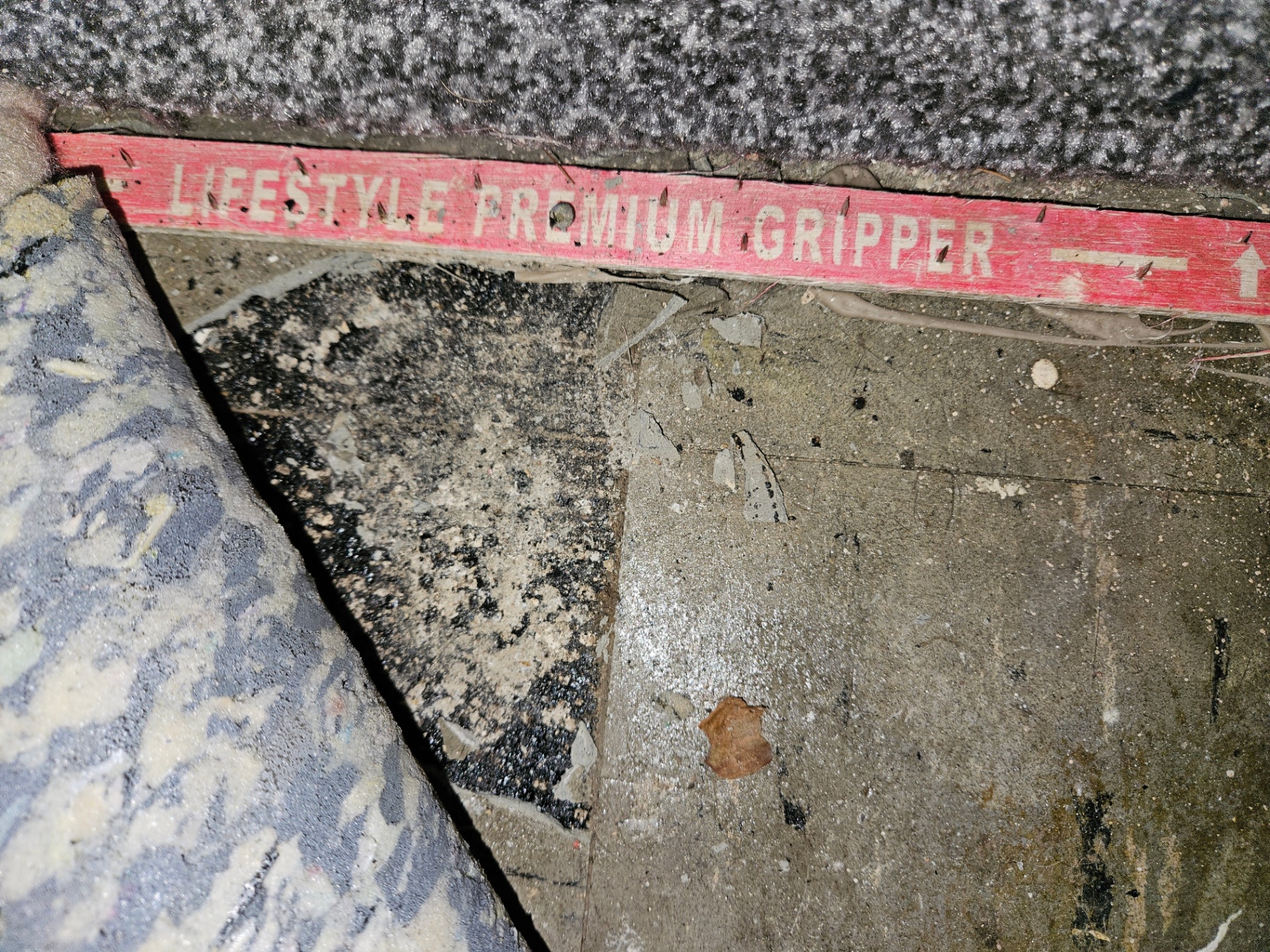
Vinyl (thermoplastic) floor tiles, typically 9 inches square in mottled brown, green, red or black, were laid extensively from the 1950s to the 1980s. They contain around 5–7% chrysotile. The black bitumen adhesive bedding them also frequently contains asbestos and is often missed during refurbishment.
Typical uses
- •Kitchen and hallway flooring
- •School and hospital floors
- •Council housing flooring
- •Retail and office floors
Typical fibre type
Chrysotile is the most commonly identified fibre in this material.
Visual inspection alone cannot confirm the presence or type of asbestos. Laboratory analysis is required.
🟢 Low Risk
Tightly bound in the vinyl matrix — low risk in normal use. Risk arises from breaking, sanding or burning during removal, and from disturbing the bitumen adhesive.
Typical locations
Survey recommendation
Refurbishment Survey
Before lifting any 9-inch tiles or removing black bitumen residue, a Refurbishment Survey or representative sample must be taken.
See our survey servicesManagement advice
- Lift tiles whole — do not snap, sand or grind
- Treat black bitumen adhesive as ACM until proven otherwise
- Non-licensed removal — competent contractor following HSG210
- Overlaying with new flooring is often a safe management option